Regular Cleaning in Homes and Workplaces: Why It Matters More Than You Think
Regular cleaning is one of the simplest habits that can create a healthier, more productive, and more welcoming environment. Whether it is a family home, an apartment, a retail shop, or a busy office, regular cleaning helps maintain hygiene, protect surfaces, reduce stress, and improve overall quality of life. Many people think of cleaning as a task to do only when dirt becomes visible, but consistent upkeep offers far greater benefits than occasional deep cleaning alone.
In today’s fast-paced world, people want spaces that feel fresh, safe, and comfortable. That is exactly why regular cleaning has become essential in both residential and commercial settings. It is not just about appearance; it is about preserving value, reducing allergens, limiting bacteria, and creating an atmosphere that supports better living and working. When cleaning becomes part of a routine, everything from air quality to mental clarity can improve.
From wiping down kitchen counters to vacuuming carpets and sanitizing high-touch surfaces, regular cleaning keeps everyday messes from turning into larger problems. It also helps prevent odors, pest issues, stains, and long-term damage to furniture, flooring, and fixtures. In this article, we will explore the importance of regular cleaning, its benefits, practical methods, and smart strategies for keeping any space in excellent condition.
What Regular Cleaning Really Means
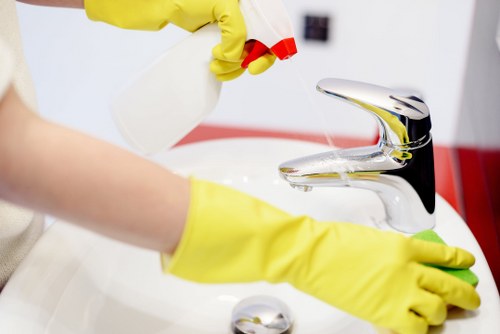
Regular cleaning refers to routine tasks performed on a daily, weekly, or monthly basis to keep a space tidy, sanitary, and well-maintained. Unlike deep cleaning, which targets hidden grime and hard-to-reach areas, regular cleaning focuses on consistent upkeep. It includes tasks such as dusting, sweeping, mopping, wiping, disinfecting, organizing, and taking out the trash.
The key idea behind regular cleaning is prevention. When dust, spills, and clutter are removed early, they do not have the chance to build up and create larger sanitation or maintenance issues. This is especially important in high-traffic areas such as kitchens, bathrooms, entrances, reception spaces, and shared break rooms.
Regular cleaning also supports a sense of order. A clean environment tends to feel more calm and manageable, making it easier for people to focus, relax, and stay motivated. Whether you are managing a household or a business, routine cleaning habits can make a noticeable difference in daily life.
Why Regular Cleaning Is Essential
The value of regular cleaning goes far beyond a polished look. It has a direct impact on health, safety, comfort, and even finances. A well-cleaned environment reduces exposure to germs, allergens, and contaminants while also protecting the materials and surfaces that make up a property.
For many households and businesses, regular cleaning is the first line of defense against dust buildup, mold growth, slippery floors, and unpleasant odors. It also helps maintain a professional image, which matters in offices, retail shops, salons, restaurants, and other customer-facing spaces. A neglected environment can quickly affect trust and satisfaction.
Another major reason regular cleaning matters is consistency. Small cleaning tasks performed often are easier, faster, and less stressful than waiting until a space becomes messy. In other words, regular cleaning saves time by preventing the need for larger cleanup efforts later.
Health Benefits of Regular Cleaning

One of the biggest advantages of regular cleaning is improved health. Dust, pet dander, pollen, bacteria, and mold spores can accumulate quickly in indoor spaces. If left untreated, these contaminants may trigger allergies, worsen asthma, or cause respiratory discomfort. Routine dusting, vacuuming, and sanitizing can significantly lower these risks.
High-touch areas such as doorknobs, light switches, remote controls, countertops, and shared devices can carry germs throughout the day. Regular cleaning and disinfection of these surfaces help reduce the spread of illness. This is particularly important during cold and flu season, in shared housing, and in workplaces with multiple occupants.
Cleaner environments also support better hygiene habits. When bathrooms are cleaned regularly, for example, it becomes easier to maintain sanitary conditions and discourage the growth of harmful microorganisms. In kitchens, routine cleaning reduces cross-contamination and keeps food preparation areas safer.
Emotional and Mental Benefits
Regular cleaning is not only good for physical health; it can also improve mental well-being. Clutter and mess often contribute to stress, distraction, and a feeling of being overwhelmed. By keeping spaces clean and organized, people often experience a stronger sense of calm and control.
A tidy environment can make it easier to concentrate, especially in home offices, study areas, and shared workspaces. For many people, cleaning becomes a form of reset—a simple way to refresh the atmosphere and create a more positive mood. This can be especially helpful after a long day or a busy week.
In a home setting, regular cleaning can also support healthier routines. Families that clean together often find it easier to maintain order, reduce friction, and create a more pleasant living space. Small habits, such as making the bed, wiping surfaces, and putting items away, contribute to a more peaceful daily experience.
Regular Cleaning and Property Maintenance
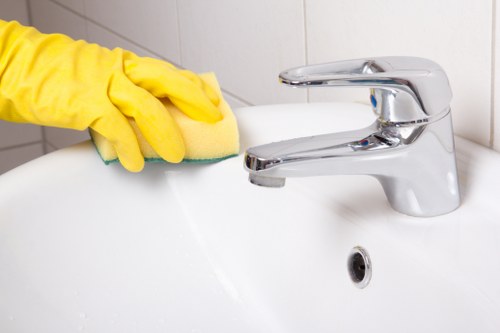
Regular cleaning plays an important role in preserving property value. Dirt, grime, and moisture can damage materials over time. Floors may lose their finish, countertops can stain, upholstery can deteriorate, and appliances may stop working efficiently if not cared for properly. Routine maintenance cleaning helps extend the life of these investments.
For example, vacuuming carpets regularly prevents dirt from grinding deeper into fibers. Wiping spills quickly on wood, tile, or stone surfaces reduces the chance of staining or warping. Cleaning bathroom fixtures prevents mineral buildup and keeps surfaces in better condition for longer. These small efforts add up to meaningful long-term savings.
Businesses also benefit from regular cleaning because it helps protect equipment, reduce repair costs, and support a polished brand image. A well-maintained environment signals professionalism and attention to detail. For landlords and property managers, it can also help make units more appealing to current and future tenants.
How Regular Cleaning Improves Air Quality
Indoor air quality is often overlooked, yet it has a major impact on comfort and health. Dust, pet hair, mold spores, and airborne particles can circulate through a space and settle on surfaces or in vents. Regular cleaning helps reduce these pollutants and improves the overall quality of the air people breathe.
Vacuuming with a HEPA filter, dusting shelves and baseboards, and cleaning curtains or upholstery can all contribute to cleaner indoor air. In addition, replacing air filters and keeping ventilation areas free of buildup supports better airflow. These practices are especially useful in homes with children, pets, or allergy sufferers.
In workplaces, cleaner air can improve focus, comfort, and productivity. Employees are more likely to feel energized in environments that are free from heavy dust and stale odors. Regular cleaning is therefore part of a larger strategy for creating healthier indoor spaces.
Daily, Weekly, and Monthly Cleaning Tasks

To make regular cleaning easier to manage, it helps to divide tasks into daily, weekly, and monthly categories. This structure prevents burnout and keeps the workload realistic. A clear plan also reduces the chance of forgetting important chores.
Daily Tasks
Daily cleaning tasks are usually quick and focused on visible messes or hygiene-sensitive areas. These may include:
- Wiping kitchen counters and dining tables
- Cleaning up spills immediately
- Loading or unloading dishes
- Taking out trash and recycling
- Making beds and tidying common areas
- Sanitizing high-touch surfaces
Weekly Tasks
Weekly cleaning covers more detailed work that keeps a space fresh. Common examples include:
- Vacuuming carpets and rugs
- Mopping hard floors
- Cleaning bathrooms thoroughly
- Dusting furniture, shelves, and electronics
- Changing bed linens
- Cleaning mirrors and glass surfaces
Monthly Tasks
Monthly tasks are often more targeted and help maintain long-term cleanliness. These may involve:
- Cleaning behind and under furniture
- Washing windows and blinds
- Deep-cleaning appliances
- Checking storage areas for clutter
- Wiping vents and light fixtures
Creating a Cleaning Routine That Works
The best regular cleaning routine is one that fits your lifestyle, schedule, and space. A routine should be practical enough to follow consistently without feeling overwhelming. Many people find success by assigning specific tasks to certain days of the week or by breaking chores into short time blocks.
For busy households, a 15-minute reset each evening can make a big difference. This may include tidying surfaces, running the dishwasher, and clearing clutter from shared areas. For offices, a rotating schedule can ensure that communal spaces are cleaned without disrupting productivity. The goal is consistency, not perfection.
It can also be useful to keep supplies where they are needed most. Having disinfectant wipes in the kitchen, a vacuum on each floor, or cleaning cloths in the bathroom makes it easier to act quickly when messes happen. Small conveniences often lead to better habits.
Best Practices for Effective Regular Cleaning
To get the most from regular cleaning, it helps to follow proven best practices. These strategies save time, improve results, and make the process more efficient. They also reduce the chance of overlooking important areas.
- Clean from top to bottom so dust and debris fall onto surfaces that will be cleaned later.
- Use the right tools for each job, such as microfiber cloths, mops, brushes, and safe cleaning products.
- Focus on high-touch surfaces daily to reduce germ spread.
- Declutter before cleaning so surfaces are easier to reach and wipe down.
- Follow product instructions to ensure disinfectants and cleaners work properly.
- Work room by room to stay organized and avoid missed spots.
Another smart practice is to match cleaning frequency to usage. A guest bathroom may need less attention than a family bathroom, while a busy kitchen or break room may require frequent wipe-downs throughout the day. Regular cleaning should always reflect the level of activity in the space.
Common Mistakes to Avoid
Even with the best intentions, some cleaning routines fail because of avoidable mistakes. One common issue is waiting too long between cleanings, which allows grime to build up and makes the job harder. Another mistake is using the wrong product on delicate surfaces, which can lead to damage.
Skipping high-touch areas is another oversight. It is easy to focus on visible dirt while forgetting switches, handles, and remote controls. These hidden touchpoints are often among the most important to clean regularly. In addition, using dirty tools can spread germs instead of removing them, so cloths, mop heads, and vacuum filters should be maintained properly.
Trying to do everything at once can also lead to frustration. A better approach is to create a realistic routine and stick to it. Regular cleaning works best when it is manageable and consistent, not rushed and exhausting.
Regular Cleaning in Homes
In homes, regular cleaning helps create a space where people can cook, sleep, relax, and socialize comfortably. It supports healthier routines for families, children, and pets. A clean home is easier to enjoy and easier to maintain when small tasks are handled consistently.
Kitchens and bathrooms deserve special attention because they are used heavily and can quickly become unsanitary. Bedrooms also benefit from routine cleaning, especially through laundering bedding, dusting furniture, and vacuuming floors. Living rooms, hallways, and entryways should not be neglected either, since they collect dirt and dust from daily traffic.
Households that practice regular cleaning often find that larger chores become less stressful. For instance, if surfaces are wiped often and clutter is managed throughout the week, then deep cleaning takes less time and effort. This makes the entire home care process more efficient.
Regular Cleaning in Offices and Commercial Spaces
Commercial environments rely heavily on regular cleaning because cleanliness influences perception, productivity, and hygiene. Offices, waiting rooms, stores, and service areas all benefit from a consistent cleaning plan. Customers notice cleanliness immediately, and employees respond positively to orderly surroundings.
In workplaces, regular cleaning can reduce the spread of illness and minimize disruptions caused by untidy common areas. Shared kitchens, restrooms, and meeting rooms should be cleaned on a reliable schedule. Desks, keyboards, phones, and door handles also require frequent sanitizing.
For business owners, regular cleaning is also a smart operational decision. It helps protect assets, maintain compliance with sanitation expectations, and support a stronger brand reputation. Clean surroundings show that a company values both people and presentation.
Why Routine Matters in Busy Environments
Busy environments often generate more dust, trash, spills, and touchpoints than quieter ones. That is why routine matters so much. Without it, mess accumulates quickly and becomes harder to control. A reliable schedule keeps the environment functional and pleasant, even during peak activity.
Whether the setting is a busy household or a commercial property, the principle remains the same: regular cleaning prevents small issues from becoming major ones. This simple approach supports cleanliness, safety, and comfort every single day.
Simple Habits That Make a Big Difference
Small habits often have the greatest impact. Putting items back after use, wiping spills immediately, emptying trash before it overflows, and dusting regularly are all minor actions that support a cleaner space. These habits are easy to adopt and can dramatically reduce the amount of cleanup needed later.
Regular cleaning becomes much easier when everyone in the space participates. In homes, that may mean assigning age-appropriate chores to children or sharing responsibilities between adults. In workplaces, it may mean encouraging staff to keep shared areas neat throughout the day. When everyone contributes, the result is cleaner, safer, and more welcoming.
Consistency is the real secret behind effective cleaning. A little effort each day often delivers better results than a large effort once in a while. That is why regular cleaning should be treated as a priority, not an afterthought.
How to Stay Motivated
Staying motivated with regular cleaning can be easier when tasks are realistic and the benefits are visible. Setting a schedule, checking off completed chores, and using simple systems can make cleaning feel more manageable. Some people also find it helpful to clean while listening to music or podcasts to make the process feel less repetitive.
Another useful method is to focus on the outcome. A fresh kitchen, a tidy office, or a clean bathroom provides immediate proof that the work was worth it. Once cleaning becomes part of the routine, it often feels less like a burden and more like a natural part of caring for the space.
If the workload becomes too large, it may be wise to divide tasks across the week or consider professional support for certain jobs. The most important thing is to maintain momentum and avoid letting the environment slip into chaos.
When Professional Cleaning Support Helps
While many tasks can be handled through daily upkeep, there are times when professional support is valuable. Busy households, large properties, commercial spaces, and specialized surfaces may benefit from expert attention. Professional cleaning can complement everyday routines and address areas that need more thorough care.
Professional support may be especially useful for deep sanitation, post-event cleanup, move-in or move-out preparation, and periodic maintenance of carpets, upholstery, or hard-to-reach areas. Even when regular cleaning is handled in-house, outside assistance can help restore freshness and keep long-term maintenance on track.
For many people, the combination of routine upkeep and professional help offers the best results. It keeps spaces looking their best while reducing stress and saving time. If your environment is becoming harder to manage, book your service now and give your space the attention it deserves.
Final Thoughts on Regular Cleaning
Regular cleaning is one of the most practical and effective ways to improve daily life. It protects health, supports mental clarity, preserves property, and creates a more comfortable environment for everyone. Whether you are caring for a home or managing a business, consistency matters far more than perfection.
By building simple routines, using the right tools, and focusing on high-traffic areas, you can maintain a cleaner, safer, and more inviting space with less effort over time. The payoff is immediate and lasting: better air quality, fewer germs, lower stress, and a more polished appearance.
If you are ready to improve your environment and make cleaning easier to manage, contact us today to take the next step toward a cleaner space. Regular cleaning is not just a task—it is a smart habit that supports healthier, happier living and working every day.