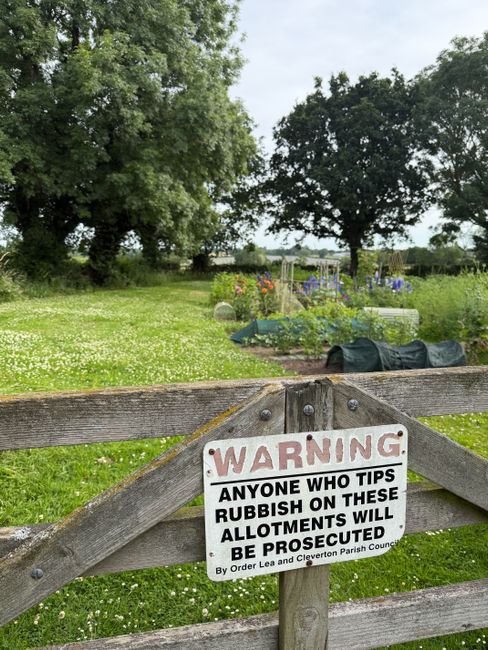

The Art and Science of Sustainable Gardening
Sustainable gardening has become one of the most practical and rewarding approaches to creating a healthier home landscape. More than a trend, it is a thoughtful way of growing plants that respects the environment, conserves resources, and produces lasting beauty. A sustainable garden is designed to work with nature rather than against it, making it easier to maintain while also supporting soil health, water efficiency, and biodiversity. For homeowners, hobby gardeners, and plant lovers alike, this approach offers a balance between aesthetics and responsibility.
At its core, sustainable gardening is about smart choices. It means selecting plants that thrive in local conditions, reducing waste, limiting chemical use, and building resilience into every part of the landscape. Instead of relying on constant intervention, a sustainable garden evolves into a living system that becomes stronger over time. This makes it not only environmentally beneficial, but also cost-effective and enjoyable to maintain.
What makes the concept especially appealing is its flexibility. Whether someone has a small urban patio, a suburban backyard, or a larger property, the principles of eco-friendly gardening can be adapted to fit nearly any space. By focusing on soil quality, water conservation, plant diversity, and natural pest control, gardeners can create an outdoor environment that is both productive and visually inspiring.
Why Sustainable Gardening Matters
Modern landscapes often demand high water use, regular fertilization, and frequent chemical treatments. Over time, those habits can weaken the soil, stress plants, and contribute to runoff that affects nearby ecosystems. In contrast, a sustainable garden is designed to reduce dependence on these inputs. The result is a healthier environment at both the local and broader level.
One of the most important benefits of sustainable gardening practices is soil improvement. Healthy soil stores nutrients, supports beneficial microorganisms, and retains moisture more effectively. When the soil becomes rich and balanced, plants develop stronger roots and greater resistance to drought and disease. This creates a feedback loop in which each season improves the next.
Another major advantage is water conservation. In many regions, water is one of the most valuable resources in the landscape. With careful planning, gardeners can reduce waste through mulch, efficient watering habits, and plant selection. Choosing drought-tolerant species and grouping plants with similar needs can dramatically lower irrigation demands without sacrificing color or texture.
Beyond the practical benefits, eco-conscious gardening supports pollinators, birds, and beneficial insects. A landscape filled with diverse plants, flowering species, and natural shelter becomes a mini ecosystem. Bees, butterflies, and other pollinators rely on such spaces for food and nesting opportunities, while helpful insects can keep pest populations in balance. In this way, the garden becomes more than decoration; it becomes habitat.
Building a Strong Foundation for a Sustainable Garden
Every successful garden begins with the ground beneath it. Soil is not just a medium for holding roots; it is the engine that drives plant health. To develop a healthy sustainable garden, start by understanding the existing soil condition. A basic assessment of texture, drainage, and organic matter helps determine what improvements are needed. Some soils are heavy and compacted, while others are sandy and drain too quickly. Each type can be improved with the right amendments.
Compost is one of the most valuable tools in environmentally friendly gardening. It enriches the soil, improves structure, and feeds microorganisms that make nutrients more available to plants. Unlike synthetic fertilizers, compost works gradually and supports long-term fertility. Leaves, grass clippings, kitchen scraps, and other organic matter can all become part of a productive compost system, turning waste into a valuable resource.
Mulch also plays a crucial role in a low-impact garden. A layer of organic mulch helps retain moisture, suppress weeds, regulate soil temperature, and slowly break down into nutrients. This simple practice reduces the need for constant watering and protects delicate root zones. Mulching is one of the easiest ways to improve both the appearance and function of a landscape.
Planting design matters just as much as soil preparation. Instead of filling a garden with species that demand constant care, a thoughtful sustainable landscape uses plants suited to climate, sunlight, and rainfall patterns. Native plants are often excellent choices because they have adapted to local conditions and typically require less water and maintenance. They also provide food and shelter for native wildlife, strengthening the ecological value of the garden.
Native plant gardening can be especially rewarding because it combines beauty with resilience. These plants often bloom at different times of the year, creating a landscape that changes with the seasons while supporting pollinators throughout the growing cycle. Their natural adaptability also means fewer problems with pests and diseases, which reduces the need for treatment.
At the middle of a sustainable landscape plan is the idea of layering. A diverse planting structure that includes ground covers, shrubs, perennials, and trees creates more efficient use of space and resources. Layered plantings help shade the soil, reduce evaporation, and increase habitat variety. They also make the garden look fuller and more dynamic.
Water Efficiency in Eco-Friendly Gardening
Water-smart gardening is one of the strongest pillars of sustainability. Instead of applying water on a fixed schedule, a more responsive approach considers weather conditions, soil moisture, plant maturity, and seasonal needs. This leads to healthier roots and less wasted water. The goal is not simply to use less water, but to use it better.
Drip irrigation is a highly effective method in many landscape settings. By delivering water directly to the base of plants, it reduces evaporation and prevents water from being lost to surrounding areas. It also allows for more precise control, which is especially useful in mixed plantings where some species need more moisture than others. When paired with timers or moisture sensors, drip systems can significantly improve efficiency.
Rainwater harvesting is another powerful strategy. Collecting and storing rainwater gives gardeners a natural water source that can be used during dry periods. Even modest collection systems can make a difference over time, especially in regions where rainfall is seasonal. The practice not only conserves treated water but also helps manage runoff from roofs and hard surfaces.
Choosing the right plants is equally important for water conservation. Many flowering perennials, shrubs, and ornamental grasses thrive with minimal irrigation once established. By mixing drought-tolerant species with more moisture-loving plants in appropriate zones, gardeners can create an attractive design that aligns with natural water availability. This thoughtful placement reflects the principles of smart, water-efficient gardening.
In some cases, lawn reduction can also improve sustainability. Traditional turf grass often requires significant water, fertilizer, and maintenance. Replacing portions of the lawn with ground covers, native beds, or edible plantings can reduce resource use while adding visual interest. Even a partial reduction in turf can make the overall landscape more resilient and diverse.
Supporting Biodiversity Through Thoughtful Planting
Biodiversity is one of the most meaningful outcomes of a well-designed sustainable garden. Diverse plant communities support a wider range of insects, birds, and small animals. This variety creates a healthier ecosystem because it encourages balance rather than dependence on a few vulnerable species. A garden with biological diversity is often more stable and adaptable over time.
Pollinator-friendly planting is a key part of this effort. Flowers with varied bloom times, shapes, and colors can provide food across the growing season. Bees are often drawn to blue, purple, and yellow flowers, while butterflies seek nectar-rich blooms with easy landing platforms. Incorporating these plants into the garden supports essential ecological functions in a beautiful and visible way.
Birds also benefit from a landscape that includes berries, seeds, and protective cover. Shrubs and trees can offer nesting sites, while layered plantings create safe movement paths. The presence of birds contributes to pest control and adds life and movement to the garden. Their songs and activity are often among the most appreciated rewards of a biodiverse yard.
Beneficial insects are another important part of the system. Lady beetles, lacewings, hoverflies, and parasitic wasps help control aphids and other pests naturally. By avoiding broad-spectrum pesticides and encouraging habitat variety, gardeners make it easier for these insects to thrive. This is a practical example of how a natural garden system can reduce problems without harsh interventions.
Habitat features can be incorporated in subtle and attractive ways. Small piles of branches, flowering borders, dense shrubs, and water dishes all contribute to a more welcoming environment for wildlife. Even a modest backyard can become a refuge when designed with intention. These features do not need to look untidy; when integrated thoughtfully, they enhance both function and appearance.
Seasonal diversity is also valuable. A landscape that offers spring flowers, summer foliage, autumn berries, and winter structure is more useful to wildlife than one with a short period of interest. It also makes the garden feel alive throughout the year. Planning for seasonal transitions supports ecological function while ensuring visual appeal in every month.
Reducing Waste in the Garden
Waste reduction is a defining feature of sustainable landscape management. Instead of treating organic material as something to discard, gardeners can reuse it to improve the garden’s health. Grass clippings, fallen leaves, pruned branches, and kitchen scraps all have a purpose when handled properly. This closed-loop mindset is central to eco gardening.
Composting is one of the most effective waste-reduction practices. When organic matter breaks down into rich, dark compost, it becomes a valuable amendment for beds, containers, and trees. Compost helps feed the soil food web and reduces the need to purchase bagged products. It also gives gardeners a practical way to transform everyday scraps into a useful resource.
Leaf litter is another material worth keeping in the landscape when appropriate. In woodland-style or naturalized areas, leaves can act as a protective mulch and habitat layer. Rather than removing all fallen organic matter, many gardeners allow some of it to remain in selected areas. This improves soil health and supports overwintering insects and microorganisms.
Reusing containers, tools, and materials also lowers waste. Terracotta pots, wooden planters, stones, and salvaged garden elements can be incorporated into new designs instead of being thrown away. This approach not only reduces environmental impact but also adds character and history to the space. A sustainable garden often feels more personal because it values durability and reuse.
Another overlooked source of waste is overbuying plants. A thoughtful planting plan helps avoid unnecessary purchases and reduces losses from poor placement. When gardeners match plants to site conditions from the beginning, the likelihood of success increases dramatically. Fewer replacements mean less waste, less expense, and better long-term results.
Responsible gardening habits often begin with moderation. The most successful gardens are not always the ones with the most inputs, but the ones where every choice is intentional. By thinking about how materials are used and reused, gardeners can create spaces that feel both refined and environmentally aware.
As the landscape matures, maintenance becomes more efficient. Plants that are well matched to the site need less correction, less watering, and fewer emergency interventions. This is one of the reasons sustainable design is so valuable: it lowers the burden over time while increasing the garden’s overall strength.
Natural Pest Management and Plant Health
Every garden experiences pests, but not every pest issue requires chemicals. In a sustainable garden, the goal is to build balance. Healthy plants, rich soil, and supportive habitat all reduce vulnerability. When a garden is functioning well, problems are often smaller and easier to manage.
One of the first steps in natural pest control is observation. Regularly checking leaves, stems, and soil helps identify issues early. Small infestations are much easier to handle than widespread damage. Early awareness also allows gardeners to determine whether an insect is truly harmful or actually beneficial.
Plant diversity is one of the best defenses against outbreaks. When many different species are present, pests are less likely to spread quickly from plant to plant. Monocultures, by contrast, can create ideal conditions for rapid infestation. A mixed planting scheme is more resilient because it breaks up patterns that pests can exploit.
Physical controls can also be effective. Hand-picking insects, using barriers, and pruning affected growth are simple strategies that avoid disruption to the larger ecosystem. These methods may take more attention, but they often lead to better long-term outcomes. They also align with the principles of sustainable plant care.
Soil health remains central to plant immunity. When roots are supported by balanced nutrition and proper drainage, plants are better able to resist disease and recover from stress. Overfertilizing, in contrast, can produce weak growth that attracts pests. A measured approach to feeding plants is often more successful than a heavy-handed one.
Beneficial microbes can also help plants resist disease. Compost, organic matter, and biologically rich soil contribute to a thriving underground community. This unseen network plays a major role in nutrient exchange and root protection. In many ways, healthy soil is the most important form of pest management a gardener can develop.
The most effective pest strategy is often prevention through balance. When sunlight, water, spacing, and soil conditions are appropriate, plants are naturally less stressed. A well-designed landscape tends to manage itself more gracefully, which is one of the strongest advantages of an ecological approach. Prevention is quieter, safer, and more enduring than constant treatment.
Gardeners who adopt this mindset often find that their landscapes become more predictable and less fragile. There may still be challenges, but the garden responds with greater stability. That resilience is a hallmark of true sustainable landscape gardening.
Seasonal Care That Supports Long-Term Success
A sustainable garden is not static; it changes throughout the year. Seasonal care helps the landscape stay productive and attractive while adapting to weather patterns and plant cycles. The work shifts from spring preparation to summer management, autumn cleanup, and winter protection. Each season offers an opportunity to strengthen the system.
In spring, gardeners often focus on soil preparation, mulching, pruning, and planting. This is the time to evaluate what worked the previous year and make adjustments. Because sustainable design emphasizes observation and adaptation, each season becomes part of an ongoing learning process. The garden improves through experience rather than rigid repetition.
Summer care usually centers on watering efficiency, deadheading, pest monitoring, and managing growth. Since high temperatures can increase stress, mulching and proper irrigation become especially important. Choosing plants that can handle warm conditions reduces maintenance demands and helps the garden remain visually appealing even in challenging weather.
Autumn is a particularly important season for sustainability. Leaves can be composted or used as mulch, perennials can be divided or trimmed selectively, and beds can be prepared for winter. Instead of clearing everything away, many gardeners leave some seed heads and stems to support birds and beneficial insects. This approach adds both ecological and visual value.
Winter care often involves protection and planning. Even in colder climates, a garden can provide structure and habitat. Evergreens, ornamental grasses, bark texture, and persistent seed heads create interest when other plants are dormant. This seasonal diversity helps the garden remain beautiful while continuing to serve wildlife.
Long-term success depends on patience. A sustainable garden becomes more efficient and more beautiful as it matures. Trees grow, soils improve, and plant communities establish stronger relationships. Unlike high-input landscapes that may look good briefly but demand constant correction, a well-managed ecological garden gains strength year after year.
Designing for Beauty and Practicality
Some people assume sustainable design means sacrificing style, but the opposite is often true. An eco-conscious garden can be elegant, colorful, and carefully composed. By using layers, textures, repeated plant forms, and seasonal rhythm, gardeners can create spaces that are visually sophisticated and environmentally useful at the same time.
Pathways, focal points, borders, and seating areas can all be integrated without compromising sustainability. Materials such as gravel, stone, reclaimed wood, and permeable surfaces help reduce runoff while contributing to the garden’s atmosphere. The landscape becomes a functional extension of the home rather than a separate decorative zone.
Color planning is another opportunity to combine beauty with purpose. Native wildflowers, flowering shrubs, and long-blooming perennials can be arranged to create waves of color across the seasons. This supports pollinators and keeps the garden engaging for human observers as well. A well-planned palette ensures that sustainability and visual impact work together.
Texture is equally important. Fine grasses, broad leaves, glossy evergreens, and airy flowering stems all bring contrast. These layers make the garden feel rich and intentional. They also reflect the complexity of natural systems, which rarely rely on just one kind of plant or one visual note.
In the final analysis, the best sustainable gardens are those that feel alive, balanced, and deeply connected to place. They are not forced or overly controlled. Instead, they invite participation, observation, and care. The result is a landscape that looks beautiful while functioning intelligently.
For many gardeners, this approach becomes a source of satisfaction beyond simple appearance. Watching pollinators arrive, seeing soil improve, noticing better water retention, and enjoying reduced maintenance all reinforce the value of the system. A sustainable garden offers both immediate pleasure and long-term benefit, which is why its popularity continues to grow.
Conclusion: A Greener Way to Grow
Sustainable gardening is ultimately a philosophy of thoughtful stewardship. It asks gardeners to pay attention, work with natural systems, and make choices that support the future as well as the present. By focusing on soil health, water conservation, biodiversity, waste reduction, and natural balance, anyone can build a garden that is resilient and rewarding.
The beauty of this approach is that it can start small. A compost pile, a native flower bed, a drip irrigation line, or a mulch layer can all make a meaningful difference. Over time, these individual steps build into a stronger landscape and a more sustainable way of living. The garden becomes a place of learning, relaxation, and ecological contribution.
Whether the goal is to reduce environmental impact, save time, support wildlife, or simply enjoy a more vibrant outdoor space, sustainable gardening offers a clear and practical path forward. It combines the art of design with the science of ecology, creating gardens that are as responsible as they are beautiful. In a world that increasingly values balance and resilience, this is a way of growing that makes lasting sense.