Deep Cleaning in Modern Homes and Workspaces: A Complete Approach to a Healthier Environment
What Deep Cleaning Really Means

Deep cleaning is more than a quick tidy-up or a standard weekly clean. It focuses on removing hidden dirt, built-up grime, grease, dust, and bacteria from areas that often get overlooked during routine cleaning. While regular cleaning keeps surfaces presentable, deep cleaning goes several layers further to restore freshness, improve hygiene, and support a healthier indoor space.
In homes, offices, and commercial spaces, deep cleaning can make a noticeable difference in appearance, comfort, and air quality. It helps target places such as baseboards, behind appliances, under furniture, bathroom grout, vents, switches, and high-touch points that collect residue over time. Because of this, deep cleaning is often recommended seasonally, before major events, after renovations, or whenever a space starts to feel dull and neglected.
For many households and businesses, the real value of deep cleaning lies in prevention. By addressing hidden buildup early, you can reduce odors, limit allergens, and extend the life of surfaces, flooring, and fixtures. It is a practical investment in both cleanliness and long-term maintenance.
Why Deep Cleaning Matters
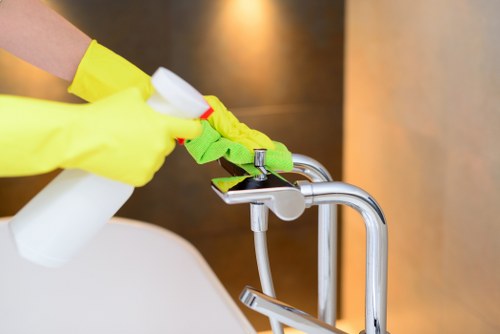
There are several reasons why deep cleaning deserves attention beyond surface-level tidying. First, it improves hygiene. Germs, dust mites, and allergens can settle into fabrics, corners, and porous surfaces, making a space feel less fresh even when it looks clean. A regular deep cleaning service helps remove these hidden contaminants and creates a more comfortable environment.
Second, deep cleaning supports better indoor air quality. Dust and debris often circulate through HVAC systems and settle on shelves, rugs, curtains, and vents. When those areas are cleaned thoroughly, the amount of airborne particles can decrease. That means fewer irritants in the air and a cleaner-feeling room overall.
Third, deep cleaning protects your property. Hard water stains, soap scum, grease, and dust accumulation can cause long-term wear on surfaces. Deep cleaning in kitchens and bathrooms, for example, can help preserve tile, stainless steel, sinks, countertops, and fixtures by preventing damage from buildup.
When Deep Cleaning Is Needed
Knowing when to schedule a deep cleaning can help you stay ahead of mess and maintenance problems. Most homes benefit from a deep clean at least a few times a year, but some situations call for it sooner. Seasonal changes, family gatherings, moving in or out, and post-renovation cleanup are all ideal moments to reset a space.
Businesses also rely on deep cleaning to maintain professional standards. Offices, retail locations, clinics, and hospitality spaces often need periodic deep cleaning to meet hygiene expectations and create a positive environment for staff and visitors. In high-traffic settings, deep cleaning may be necessary monthly or even more often depending on use.
Some common signs that a space needs deep cleaning include lingering odors, dusty vents, sticky surfaces, discolored grout, visible buildup in corners, or a general lack of freshness. If regular cleaning no longer makes the room look or feel clean, it is likely time for a more thorough approach.
Common Triggers for Deep Cleaning
- Seasonal cleaning transitions
- Before or after hosting events
- Moving into a new home
- Moving out of a rental property
- After home remodeling or repairs
- Following illness or increased sanitation needs
- When allergies or dust buildup become noticeable
What a Deep Cleaning Usually Includes
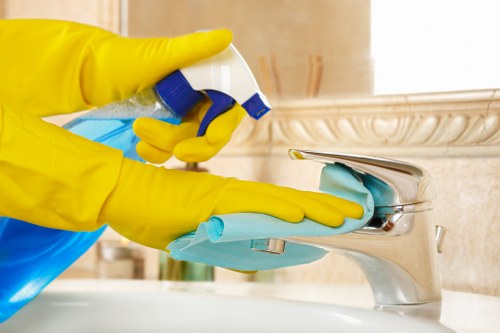
A proper deep cleaning plan often covers areas that standard routines miss. It is not just about scrubbing harder; it is about cleaning smarter and reaching hidden spaces with the right tools and products. The exact tasks may vary, but a thorough process usually includes kitchens, bathrooms, floors, baseboards, fixtures, appliances, and detailed surface care.
In the kitchen, deep cleaning may include degreasing backsplashes, wiping cabinet fronts, cleaning inside the microwave, sanitizing sinks, removing crumbs from drawers, and cleaning under appliances if accessible. This level of attention helps eliminate odors and keeps food preparation areas more sanitary.
In bathrooms, deep cleaning often focuses on tile grout, shower doors, drains, faucets, and toilet bases. Soap scum, mildew, and mineral buildup are common targets. Freshening these areas can dramatically improve how the room looks and feels. Many people are surprised by how much brighter and cleaner a bathroom appears after a detailed deep cleaning.
Typical Deep Cleaning Tasks
- Dusting ceiling fans, vents, and light fixtures
- Cleaning baseboards, trim, and door frames
- Wiping switches, handles, and high-touch surfaces
- Scrubbing sinks, tubs, showers, and toilets
- Cleaning inside and outside of appliances
- Vacuuming and mopping floors thoroughly
- Removing dust from furniture, shelves, and corners
Deep Cleaning in Different Areas of the Home
Different spaces require different techniques, which is why deep cleaning in each room should be tailored to the surfaces and level of use. Living rooms, bedrooms, kitchens, and bathrooms all collect dirt in different ways, so a one-size-fits-all method rarely gives the best result.
Living rooms often need attention on upholstered furniture, under sofas, along baseboards, behind entertainment units, and around windowsills. Bedrooms benefit from dust removal on headboards, closet shelves, lamps, blinds, and under beds. Because these areas are used daily, dust and allergens can build up faster than expected.
Entryways and hallways are also important. These high-traffic zones track in dirt from outside and often show scuffs, fingerprints, and dust quickly. A detailed deep cleaning service should always include these transition spaces so the entire property feels refreshed, not just the main rooms.
Room-by-Room Focus Areas
- Kitchen: appliance exteriors, cabinet tops, backsplash, sink, and floor edges
- Bathroom: grout, shower doors, fixtures, drains, and mirrors
- Bedroom: under-bed dust, nightstands, closet areas, and bedding care
- Living area: upholstery, vents, shelving, and hidden corners
- Entryway: mats, trim, door handles, and floors
Benefits of Professional Deep Cleaning
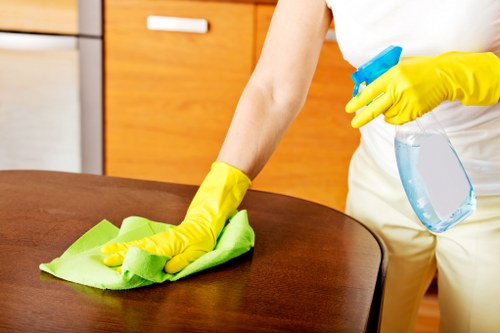
While many people handle routine chores themselves, professional deep cleaning offers a level of detail that can be difficult to match with basic tools and limited time. Professional cleaners are trained to target neglected spots efficiently and use effective products for different materials and finishes.
One major benefit is consistency. A professional team follows a systematic process, so no area is skipped. That matters when the goal is not just to make a place look cleaner, but to thoroughly remove buildup and restore a healthier environment. For busy families or companies, that consistency can save time and reduce stress.
Another benefit is expertise. Not every cleaner, disinfectant, or tool is appropriate for every surface. Professionals understand how to treat delicate materials, stubborn stains, and problem areas without causing damage. This makes deep cleaning safer for countertops, tile, wood, stainless steel, and other common finishes.
Key Advantages of Professional Service
- More thorough dust and grime removal
- Better results in hard-to-reach areas
- Time savings for homeowners and staff
- Improved sanitation and freshness
- Reduced risk of surface damage
- Better support for seasonal maintenance
How Deep Cleaning Supports Health and Wellness
Deep cleaning is closely linked to wellness because the condition of your environment can affect how you feel every day. Dust, pet dander, mold spores, and other irritants can collect in hidden areas and contribute to discomfort, especially for people with allergies or respiratory sensitivities. A properly executed deep cleaning routine helps reduce those triggers.
Clean spaces can also support mental clarity. Clutter and visible grime often create low-level stress, even when people do not consciously notice it. A fresh, well-maintained room tends to feel calmer, more organized, and more inviting. That emotional benefit is one reason many people schedule deep cleaning before holidays, special occasions, or important business events.
In shared environments, sanitation becomes even more important. Workstations, break rooms, conference areas, and restrooms all experience repeated use. Deep cleaning these spaces helps reduce the spread of germs and promotes a more professional atmosphere. That is why many organizations treat deep cleaning as part of a broader workplace wellness strategy.
Wellness-Focused Areas to Prioritize
- Air vents and filters
- Soft furnishings and carpets
- Bathroom moisture-prone areas
- Kitchen contact points and prep surfaces
- Frequently touched handles, switches, and controls
How Often Should Deep Cleaning Be Done?
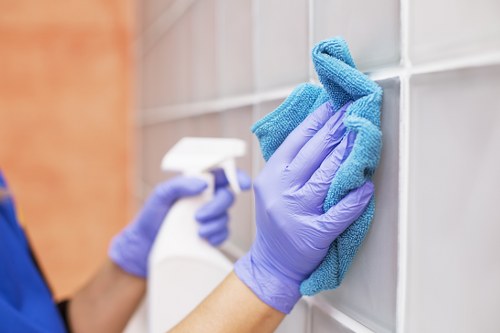
The right schedule depends on the size of the space, how many people use it, and how much daily activity takes place. In a typical home, deep cleaning may be performed every three to six months. In high-use households, however, certain areas like kitchens and bathrooms may need deeper attention more frequently.
Commercial environments usually require a more structured plan. Offices may schedule deep cleaning after peak business periods, while restaurants, medical settings, and hospitality properties may need recurring service based on regulations and traffic. The goal is to prevent buildup before it becomes a bigger issue.
Rather than waiting for visible dirt to appear, it is better to establish a regular routine. Consistent deep cleaning in important areas keeps maintenance manageable and prevents small issues from turning into major cleaning projects. This proactive approach also makes everyday cleaning easier because surfaces stay in better condition.
Suggested Deep Cleaning Frequency
- Weekly: spot-treat trouble areas and sanitize high-touch surfaces
- Monthly: detailed attention to one or two neglected areas
- Quarterly: full home deep cleaning
- Seasonally: complete reset of major living or work areas
- As needed: after events, renovations, or health-related concerns
Preparing for a Deep Cleaning Session
Preparation makes any deep cleaning project more effective. Before starting, it helps to declutter surfaces, gather supplies, and decide which rooms need the most attention. A little organization upfront can save a lot of time later and make the process feel less overwhelming.
For homeowners, this may mean putting away loose items, separating laundry, and clearing counters. For businesses, preparation could include removing sensitive paperwork, labeling storage areas, or ensuring that cleaning access is available after business hours. The more open the space, the easier it is to clean thoroughly.
It is also useful to think in zones. Instead of trying to deep clean an entire property all at once, break the work into sections. Focus on one room or category at a time, such as floors, bathrooms, or kitchen appliances. This creates better results and makes the job more manageable.
Preparation Checklist
- Declutter surfaces and floor areas
- Gather microfiber cloths, brushes, and vacuum tools
- Choose suitable cleaners for each surface
- Open windows for ventilation if needed
- Set a realistic cleaning sequence
- Schedule enough time for detailed work
Deep Cleaning Tips for Better Results
The best deep cleaning service results come from methodical work and attention to detail. Start from the top and move downward so dust and debris fall toward areas you have not cleaned yet. This simple approach helps avoid rework and makes the process more efficient.
Use the right tools for the job. Microfiber cloths are ideal for dusting and polishing, while soft brushes help reach grout lines, vents, and textured surfaces. For stubborn buildup, allow products to sit for a short period before scrubbing. That dwell time often makes a big difference in how easily grime lifts away.
Do not forget to finish with final touches. Once the heavy work is done, vacuum again, mop floors, polish mirrors, and replace items neatly. These final steps give the room a polished appearance and make the deep cleaning results more noticeable. Small details often create the biggest impression.
Smart Deep Cleaning Habits
- Work from top to bottom
- Clean dry dust before wet cleaning
- Use labeled products correctly
- Allow time for stains to loosen
- Focus on corners, edges, and hidden spots
- Finish by refreshing the entire room
Why Deep Cleaning Is Worth It
Deep cleaning is worth the time because it does more than improve appearance. It helps protect the value of a property, supports a healthier environment, and makes day-to-day maintenance easier. Whether you are caring for a family home or managing a busy workplace, deep cleaning helps create a more pleasant and functional space.
Many people find that once they experience a thorough deep clean, normal cleaning feels easier afterward. That is because grime, dust, and hidden buildup are no longer working against you. Surfaces stay cleaner longer, odors are reduced, and the entire space feels more comfortable to use.
If your goal is a fresher, healthier, and more polished environment, now is the ideal time to prioritize deep cleaning. Start with the areas that matter most, build a regular schedule, and consider professional help when detailed cleaning becomes too time-consuming. Contact us today to take the first step, or Book your service now and enjoy the difference that true deep cleaning can make.