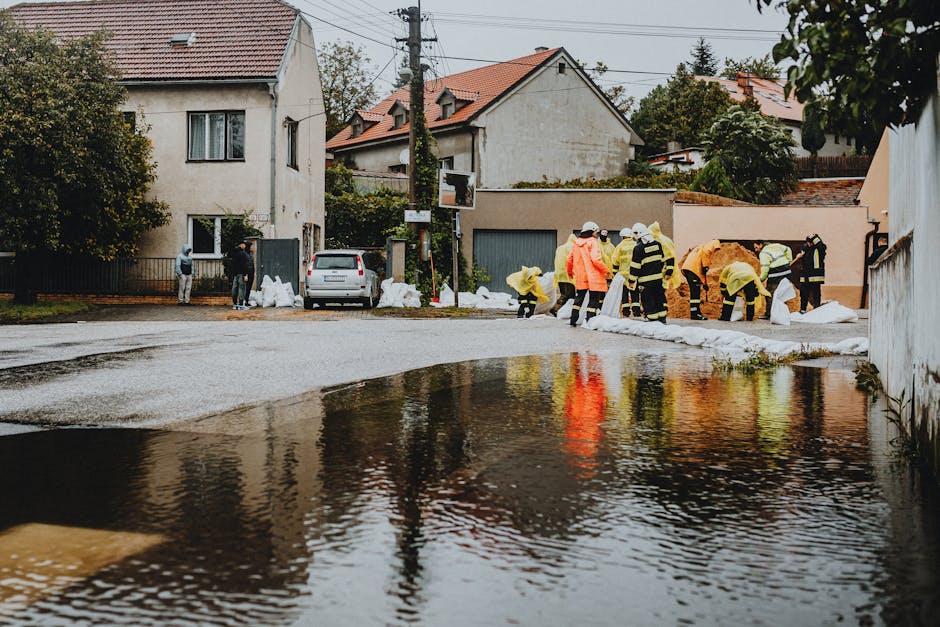
Emergency mould and flood clean-ups in Merton -- same day
If you have just discovered damp spreading up a wall, a burst pipe soaking the hallway, or that unmistakable musty smell after a leak, you need clear action fast. Emergency mould and flood clean-ups in Merton -- same day is about stopping damage early, making the space safe again, and getting life back to normal before the problem has time to worsen. In practice, that means fast assessment, water removal or containment, careful drying, mould treatment, and a proper clean-up that does not simply hide the mess. Let's face it: when water gets into a home or business, every hour can count.
This guide explains what same-day emergency clean-up involves, who it helps, what a good response looks like, and the mistakes that can make things worse. You will also find practical steps, a comparison table, a real-world example, and a checklist you can use straight away. If you want to understand what to do next, you are in the right place.
Table of Contents
- Why Emergency Mould and Flood Clean-ups in Merton -- Same Day Matters
- How Emergency Mould and Flood Clean-ups in Merton -- Same Day Works
- Key Benefits and Practical Advantages
- Who This Is For and When It Makes Sense
- Step-by-Step Guidance
- Expert Tips for Better Results
- Common Mistakes to Avoid
- Tools, Resources and Recommendations
- Law, Compliance, Standards, or Best Practice
- Options, Methods, or Comparison Table
- Case Study or Real-World Example
- Practical Checklist
- Conclusion
- Frequently Asked Questions
Why Emergency Mould and Flood Clean-ups in Merton -- Same Day Matters
Water damage and mould are not just tidy-up jobs. They can affect air quality, furniture, walls, flooring, electrical safety, and the general habitability of a property. A small leak left alone overnight can turn into stained plaster, warped timber, bubbling paint, and a stronger mould problem by the next day. Truth be told, the ugly part is often the visible part; the hidden damage can be worse.
Same-day response matters because it shortens the window in which moisture can spread. In homes across Merton, that might mean a flat in a converted house, a family kitchen after a plumbing fault, or a shop that has had water tracking under stock shelving. The earlier the source is dealt with, the easier it is to clean safely and thoroughly.
There is also a practical side. If you are dealing with tenants, customers, or family members, the disruption can be immediate. You may need the area isolated, odours reduced, contaminated material removed, and surfaces sanitised. Fast action reduces stress as much as damage, which sounds obvious, but in an emergency obvious things tend to vanish.
Expert summary: The best emergency flood or mould response is not just about speed. It is about arriving quickly, assessing the moisture source, deciding what can be saved, and cleaning in a way that avoids further spread or unsafe exposure.
For a local service approach that values trust and clear process, it helps to understand the company behind the work too. You can learn more on the about us page and review the company's health and safety policy before booking.
How Emergency Mould and Flood Clean-ups in Merton -- Same Day Works
A proper same-day clean-up usually follows a fairly disciplined sequence. The details vary depending on whether the issue is clean water, grey water, or mould that has already formed, but the logic is the same: stop the source, make the area safe, remove moisture, clean affected materials, and confirm what needs follow-up.
1. Initial call and triage
It starts with a short conversation. A good team will ask what happened, where the water came from, how long ago it happened, whether electricity is affected, and how much of the area is wet or visible mould. These questions are not paperwork fluff. They decide whether the job needs immediate attendance, what equipment to bring, and whether any area needs isolating before anyone starts work.
2. On-site assessment
Once on site, the first job is to assess the extent of damage. That may include checking skirting boards, under carpets, behind furniture, around windows, and in corners where airflow is poor. With mould, the cleaner also looks for the source of moisture, because cleaning the surface without addressing the cause is a bit like mopping the floor during a rainstorm.
3. Containment and safety controls
In mould work, containment is important because disturbed mould can release spores into the air. In flood work, safety is just as important because water can hide sharp debris, slippery floors, and in some cases electrical risks. A sensible team will use protective equipment, control access, and work methodically rather than rushing straight in with a mop and a hopeful expression.
4. Water extraction, drying, and dehumidification
Flood clean-ups often involve removing standing water and speeding up drying. This may include extraction, targeted airflow, and dehumidification. The goal is to reduce moisture in materials before secondary damage develops. It is not glamorous, but it is what saves flooring, walls, and fittings when they can still be rescued.
5. Mould treatment and deep cleaning
Mould clean-up depends on the material affected. Non-porous surfaces may be cleaned and treated. Porous items may need careful evaluation, and some may be beyond practical restoration if the growth has penetrated deeply. A professional approach avoids overpromising. Not everything can be saved, and being honest about that is usually cheaper than pretending otherwise.
6. Final inspection and next steps
After cleaning, the area should be checked again for remaining moisture, visible staining, lingering odour, or signs of further spread. Sometimes the next step is a return visit, especially if drying needs time. Sometimes it is a referral to a plumber, roofer, or building specialist if the cause is structural rather than a one-off spill. Either way, you want a clear handover, not guesswork.
Key Benefits and Practical Advantages
Same-day emergency support is not only about convenience. It creates a chain of practical advantages that can make a real difference to the cost, stress, and outcome of the incident.
- Less secondary damage: Fast drying and treatment can reduce swelling, staining, and deterioration in materials.
- Lower mould risk: Moisture removed early is far less likely to create a larger indoor mould problem.
- Better odour control: Damp, stagnant smells are easier to tackle before they settle into soft furnishings and walls.
- Safer access: Wet floors, damaged plaster, and compromised electrics are managed sooner.
- Less disruption: Homes, rental properties, and small businesses can get back to normal more quickly.
- Clearer decision-making: An experienced responder can tell you what to save, what to isolate, and what needs specialist follow-up.
A smaller but important advantage is peace of mind. When somebody turns up same day, explains what they are doing, and gives a sensible plan, the whole situation feels more manageable. There is a lot to be said for that when the hallway smells like wet plaster and your socks are already ruined.
If you are comparing response quality and not just speed, it is sensible to check pricing and quotes early, so you understand what is included and what might be needed as an additional visit.
Who This Is For and When It Makes Sense
This service is for anyone dealing with urgent moisture-related damage where delay could make things worse. That includes homeowners, landlords, letting agents, tenants, shop owners, office managers, and property managers in Merton and nearby parts of southwest London.
It makes particular sense in situations like these:
- a burst pipe, overflowing appliance, or leaking radiator
- a bathroom or kitchen flood that has soaked flooring
- a ceiling leak after heavy rain
- mould appearing suddenly after a long-standing damp issue
- a property that has been closed up and now smells musty and stale
- a rental property where a tenant needs the area made safe quickly
For landlords and agents, the benefit is obvious: faster mitigation means fewer complaints, less void time, and a cleaner handover. For homeowners, it can protect the rooms you actually live in, rather than letting the damage drift into the walls, floor coverings, and furniture. For business premises, the pressure is even more immediate because water damage tends to interrupt work at the worst possible time.
There is one key judgement call here. If you are seeing widespread, long-term damp, or if the source of water is still active, same-day clean-up is only part of the answer. You may also need a qualified plumber, roofer, or building repair specialist. The best response is the one that solves the cause, not just the symptom.
Step-by-Step Guidance
If you are trying to act quickly and stay organised, use this practical sequence. It is simple, but simple is good in a crisis.
- Switch off the source if safe to do so. If a valve, appliance, or tap is clearly the problem and you can reach it safely, stop the water. If there is any electrical risk, do not improvise.
- Keep people away from the affected area. Wet floors and contaminated surfaces are slippery, and mould can spread if disturbed unnecessarily.
- Move small valuables and soft items. Remove what you can without trampling wet carpets or spreading debris. Lightweight furniture is usually worth moving; heavy items may be left until a cleaner assessment is done.
- Document visible damage. Take a few photos for your records. Keep them simple and clear. You do not need a dramatic photo essay.
- Arrange same-day attendance. When you speak to a specialist, be precise about the room, the source, and how long the problem has been present.
- Allow for proper drying and treatment. Do not rush to close up the room just because the surface looks dry. Moisture can linger inside materials.
- Check for follow-up needs. You may need repair work, additional mould treatment, or a return visit to confirm the area is drying as expected.
When a room is involved, a sensible question is: can this be cleaned now, or does it need to be isolated first? That answer depends on the extent of damage, the cause, and how far the moisture has travelled. It is rarely just a yes/no situation, and that is fine.
Expert Tips for Better Results
Small decisions make a big difference in emergency clean-ups. Here are the practical habits that tend to improve outcomes.
- Act before odour gets entrenched. Musty smells are often a sign that moisture has settled into hidden areas. Once that happens, cleaning becomes more involved.
- Do not overuse household cleaners on mould. Bleach and sprays can be misleading if they only lighten the surface. The source and extent still need proper assessment.
- Lift soft furnishings carefully. Wet rugs, cushions, and bedding can transfer moisture and growth if they are piled up in a warm corner. That is a common little mistake, and it can be an expensive one.
- Watch the edges, not just the centre. Water often travels under skirting, into corners, and beneath fitted furniture. The worst damage is rarely where you first see it.
- Keep ventilation controlled. Opening windows can help in some situations, but it is not always the right move in damp weather or where containment is needed.
- Ask for clarity on the finish. A proper job should leave you knowing what was cleaned, what remains at risk, and whether a return check is recommended.
A useful rule of thumb: if something still feels cold and damp to the touch after surface cleaning, it probably needs more drying time. Your nose also tells you a lot. That wet-cardboard smell is rarely a good sign, to be fair.
Common Mistakes to Avoid
Emergency mould and flood jobs often go wrong in the same handful of ways. Knowing these in advance can save time and money.
- Waiting too long to call for help. Even a few hours can make a visible difference in porous materials.
- Cleaning before identifying the source. If water is still getting in, the problem will return.
- Ignoring hidden moisture. A floor can seem fine while the underlay or subfloor remains wet.
- Using fans without a plan. Air movement helps only when the moisture path is understood. Randomly blasting air can spread spores or odours around the property.
- Reinstalling furniture too soon. Heavy furniture can trap damp against walls or flooring.
- Assuming all mould is the same. Light surface growth after a small spill is not the same as recurring mould linked to chronic damp.
Another common one: people tidy the visible room and forget cupboards, voids, and behind the washing machine. Then a week later the smell says hello again. Not ideal. Not at all.
Tools, Resources and Recommendations
The exact equipment used depends on the situation, but a well-prepared emergency clean-up usually involves a mix of extraction, drying, protection, and cleaning tools.
| Tool or Method | What It Helps With | When It Is Most Useful |
|---|---|---|
| Moisture assessment | Finding how far water has travelled | Always, especially where damage is not fully visible |
| Water extraction | Removing standing water quickly | Flooded floors, soaked carpets, and pooling water |
| Dehumidification | Drawing moisture out of air and materials | After leaks, floods, or high humidity |
| Containment and PPE | Reducing exposure during mould disturbance | Any moulded surface or dusty, contaminated area |
| Targeted cleaning and treatment | Addressing visible growth and contaminated surfaces | Non-porous or lightly affected areas |
From a customer point of view, the most useful resource is often a team that can explain what is happening in plain English. If the job involves access arrangements, security, or payment questions, it helps to know those details in advance. You can review the company's payment and security information and terms and conditions before confirming any work.
It is also sensible to choose a provider that treats waste responsibly. Emergency jobs often create disposable materials, packaging, and damaged items, and a clear approach to disposal matters. The site's recycling and sustainability page is a useful place to understand that mindset.
Law, Compliance, Standards, or Best Practice
Emergency clean-up work touches on safety, occupant wellbeing, waste handling, and sometimes insurance reporting. The exact legal duties depend on the property type and the nature of the issue, so it is wise to avoid making assumptions. In the UK, a good operator should work in line with sensible health and safety practice, use appropriate protective measures, and take care not to create further hazards while cleaning.
For rented homes, landlords and agents should be especially careful about timely action, communication, and safe access to the property. If mould is linked to a structural issue or persistent damp, the clean-up alone will not be enough. The underlying problem needs attention too. That part can be boring, but it is the part that stops repeat call-outs.
Best practice usually means:
- assessing the cause before starting cosmetic cleaning
- using suitable protective equipment
- containing disturbed material where needed
- not overclaiming that all affected materials can be restored
- keeping the customer informed about risks and next steps
You can also check a provider's commitment to safety and accountability through pages like insurance and safety and health and safety policy. Those pages do not fix a leak, obviously, but they do tell you whether the business takes the work seriously.
Options, Methods, or Comparison Table
Not every damp or flood situation needs the same approach. Here is a simple comparison to help you think clearly about the options.
| Situation | Best Immediate Approach | Common Risk if Delayed | Typical Follow-Up |
|---|---|---|---|
| Fresh clean-water leak | Contain, extract, dry, and inspect | Warping, staining, hidden damp | Drying checks and any repair work |
| Flooded floor with soft furnishings | Move salvageable items, extract water, assess underlay | Odour, mould growth, material breakdown | Deep drying and treatment |
| Visible mould after damp spell | Identify moisture source, isolate area, clean safely | Spread of spores, reoccurrence | Source repair and monitoring |
| Long-standing damp with staining | Careful assessment and planned remediation | Ongoing indoor air quality issues | Possibly specialist building investigation |
In real life, the right method depends less on labels and more on what the moisture has actually done. Two rooms can look similar and still need very different treatment. That is why a quick, surface-only view can be misleading.
Case Study or Real-World Example
A tenant in Merton notices a damp smell in a hallway late in the afternoon. By evening, a small leak from a radiator valve has left water under the edge of the carpet and the skirting feels cool and soft. The area does not look dramatic at first glance, which is exactly the problem. These situations love to hide.
Same-day attendance changes the outcome. The response begins with identifying the leak source and making the area safe. Furniture is moved back carefully, the wet section is isolated, and the carpet and underlay are checked for saturation. Surface water is removed, the area is cleaned, and drying equipment is positioned where the air can actually reach the damp materials. The visible mess is only part of it; the hard part is stopping the moisture from lingering beneath the floor edge.
A few days later, the room is drier, the smell has reduced, and the tenant is not left wondering whether they are sleeping next to a mould problem. Simple enough on paper, but in practice the difference between same-day and next-day response can be quite noticeable. One short delay, and the skirting may have told a very different story.
If you need help now, use the contact details on the contact us page and be clear about what has happened. That makes it easier to prioritise the visit and bring the right tools first time.
Practical Checklist
Use this quick checklist if you are dealing with mould, floodwater, or both. It is not fancy, but it helps.
- Identify the source of the water if it is safe to do so
- Keep people and pets away from the affected area
- Take a few photos for your records
- Move small items out of the wet zone
- Do not dry mould with aggressive air movement before assessing containment needs
- Arrange same-day professional attendance
- Ask what can be cleaned, what needs drying, and what might need replacing
- Confirm whether another visit is likely
- Check whether any repair or plumbing work is still required
- Keep notes of what was done and when
Quick practical tip: if you are unsure whether something is salvageable, do not keep poking at it. That little bit of handling can spread dirt, spores, or moisture more than you expect.
Conclusion
Emergency mould and flood clean-ups in Merton -- same day are about much more than speed. They are about reducing damage early, protecting health and safety, and making smart decisions while the situation is still manageable. The best results come from acting quickly, assessing properly, and cleaning in a way that respects both the visible mess and the hidden moisture behind it.
If you are facing a leak, damp patch, or visible mould right now, stay calm, keep the area safe, and get help before the problem settles in. That first hour matters more than people think, and a steady response usually beats a rushed one. You do not need to solve everything at once. Just take the next right step.
Get a free quote today and see how much you can save.
For a straightforward next step, visit the pricing and quotes page or go straight to contact us. If you want a little more background before booking, the about us page is there as well.
Frequently Asked Questions
How quickly can emergency mould and flood clean-ups in Merton happen?
Same-day response is often possible when the issue is reported early and the team has availability. The exact timing depends on location, the type of damage, and how urgent the safety risks are. If water is still entering the property, that tends to move matters up the queue.
What should I do first after finding floodwater or mould?
First, make sure the area is safe. If you can stop the water source without risk, do that. Then keep people away from the area, take a few photos, and arrange professional help. Avoid disturbing mould more than necessary, because that can spread contamination around the room.
Can mould be cleaned the same day as a flood?
Sometimes, yes. If the mould is limited and the moisture source is identified, a same-day visit can include both water management and mould treatment. In other cases, drying needs to start first and the mould clean-up follows once the area is stable enough to work on properly.
Will everything need replacing after a flood?
Not necessarily. Some materials can be dried and cleaned successfully, especially if the response is quick. Porous items, underlay, or badly contaminated materials may be harder to restore. A sensible assessment should tell you what is worth saving and what is not.
Is black mould always dangerous?
People often worry about black mould, and fairly so. The colour alone does not tell you everything, though. Any significant mould growth should be treated seriously because it can affect comfort and indoor air quality. The safest approach is to identify the moisture source and clean the affected area properly.
How do I know if hidden damp is still in the floor or walls?
Visible dryness is not enough. Hidden damp can remain in flooring layers, skirting, wall cavities, or under furniture. A professional cleaner will usually assess beyond the surface and may recommend follow-up drying or a recheck. That is why a room can look fine and still need more time.
What if the leak came from a roof or plumbing fault?
Then the clean-up is only part of the job. The cause needs repair, otherwise the problem returns. If the source is structural, the cleaning team may stabilise and dry the area, then advise that a roofer, plumber, or maintenance professional is needed next.
How much does same-day flood or mould clean-up cost?
Costs vary with the size of the affected area, how severe the damage is, whether drying equipment is needed, and how much of the material can be saved. For a clearer idea, review the company's pricing and quotes information and ask for a tailored estimate based on your property.
Is it safe to stay in the property during mould clean-up?
That depends on the amount of mould, the location, and whether containment is required. In a small, isolated area it may be manageable. In a larger or more contaminated space, it may be wiser to keep people away until the area has been made safe. A good cleaner should explain that plainly.
Can I use household sprays or bleach myself?
You can clean very small surface areas in some cases, but that does not fix hidden moisture or larger contamination. Household products may make the surface look better without addressing the underlying cause. If the mould is recurring or the flood damage is more than minor, professional assessment is the better call.
Do landlords need to act quickly on mould and water damage?
Yes, they should. Delayed action can make a property less safe and more expensive to repair. For rented homes, prompt communication, proper access arrangements, and a plan for both clean-up and source repair are all sensible. It is one of those jobs where waiting rarely helps.
What should I look for in a reliable emergency clean-up service?
Look for clear communication, same-day availability where possible, sensible safety procedures, a realistic explanation of what can and cannot be restored, and transparent pricing. It also helps if the company is open about its policies, such as insurance and safety and terms and conditions.
Can mould come back after cleaning?
Yes, if the moisture source is not fixed or the area is not dried properly, it can return. That is why good clean-up work focuses on both the visible growth and the cause behind it. No magic wand, unfortunately. Just careful work and follow-through.
Who do I contact if I need help right now?
If the issue is urgent, use the website's contact us page to request help and provide as much detail as you can about the leak, the mould, and the affected rooms. The clearer your first message, the faster the response can usually be organised.